
Luxury Car Factories Quietly Depend on AirTAC Solenoid Valve Precision More Than Drivers Realize
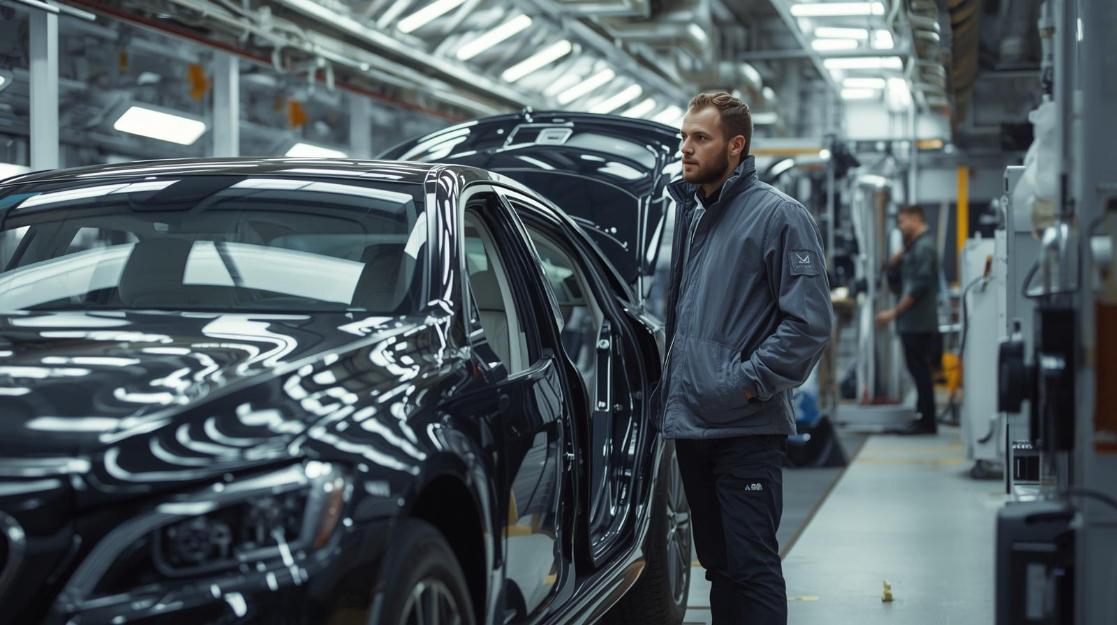
A visitor once commented that a high-end car manufacturing facility in Germany felt strangely peaceful. Robotic arms moved in rhythm beside slowly advancing vehicle frames, almost like a rehearsed performance.
In the background, compressed air systems quietly powered much of the operation, with an Airtac solenoid valve helping coordinate movements that most visitors would never even notice.
Without pneumatic precision, luxury car production would likely feel louder, slower, and far less refined.
The Hidden Mechanism Behind Automotive Quality
The appeal of a luxury vehicle is easy to see in the stitching of the seats, the silence of the cabin, and the smooth feel of every switch and handle. What buyers rarely see is the hidden manufacturing process that makes that consistency possible.
Even a small flaw like uneven seams or a rattling panel can damage the reputation of a premium brand.
Pneumatic systems help manufacturers maintain that consistency on the production floor. They allow robotic tools to move with controlled precision during assembly. In large automotive plants, even tiny timing errors can disrupt an entire production sequence.
One technician once joked that the factory floor “breathes through compressed air.” After standing near a modern assembly line for a few minutes, the comment actually makes sense.
Why Precision Matters More in Luxury Manufacturing
Precision matters more in luxury automotive production because customer expectations are exceptionally high. Buyers expect a certain feeling when they close a door, touch the dashboard, or drive at highway speeds.
Behind the calm appearance of a luxury showroom sits a production environment that demands accuracy every second of the day.
Modern pneumatic control systems allow machinery to repeat movements thousands of times with minimal variation. That consistency becomes especially important when installing interior components where even slight positioning errors may lead to unwanted vibration or poor alignment later on.
Some engineers believe advanced pneumatic technology has helped luxury manufacturers increase production capacity without sacrificing craftsmanship. Years ago, increasing volume often meant losing the hand-finished character premium vehicles were known for.
Today, factories are finding ways to balance speed with detail, something that continues to surprise visitors touring these facilities.
A Different Kind of Factory Environment
Pneumatic technology has also changed the atmosphere inside automotive plants. Compared to older mechanical systems, modern assembly lines tend to operate more smoothly with less friction, better control, and reduced noise levels.
Workers in newer facilities often describe the environment as more coordinated and less chaotic than older industrial settings. The sounds are still present, but they blend into a controlled rhythm instead of harsh mechanical noise.
I recently watched a documentary showing an employee pausing beside a robotic workstation while inspecting a freshly painted vehicle body. He smiled for a moment before continuing his work.
What stood out was how clean and carefully organized the entire space looked. It felt closer to a modern design studio than the rough factory image many people still imagine.
The Future of Automotive Manufacturing
As electric vehicles and customized luxury models continue gaining popularity, manufacturers will likely depend even more on sophisticated pneumatic systems. Producing highly specialized vehicles within shorter timelines will create new demands for speed, coordination, and consistency.
Most drivers will never think about the airflow systems operating behind the scenes of a luxury sedan. Yet hidden beneath the polished surfaces is a massive network of automation carrying out thousands of precise actions every day.
The future of automotive manufacturing may become even more focused on blending engineering with lifestyle appeal, similar to how luxury car brands leverage fashion influences to shape customer identity and experience.
In many ways, modern factories are no longer just building transportation. They are carefully producing a complete luxury experience.
