
How Royal TV Channels the Same Passion for EPL Broadcast Into Automotive Culture
More than 3.5 billion people worldwide watch the English Premier League each season, making it one of the most followed sports competitions on the planet. That same hunger for speed, drama, and split-second decisions fuels another global obsession, performance cars and motorsport. At first glance, football and automotive culture may seem worlds apart. Look closer, and the connection becomes clear.
Platforms like Royal TV (로얄티비) thrive on delivering matches as they happen, capturing the tension of a last-minute goal or a derby showdown. Real-time sports streaming turns viewers into participants. Car enthusiasts respond to the same rush. Whether tracking a lap time at Silverstone or watching a title-deciding clash between Manchester City and Arsenal, fans crave immediacy. They want to feel the moment unfold, not read about it later.
Real-Time Thrills and the Need for Speed
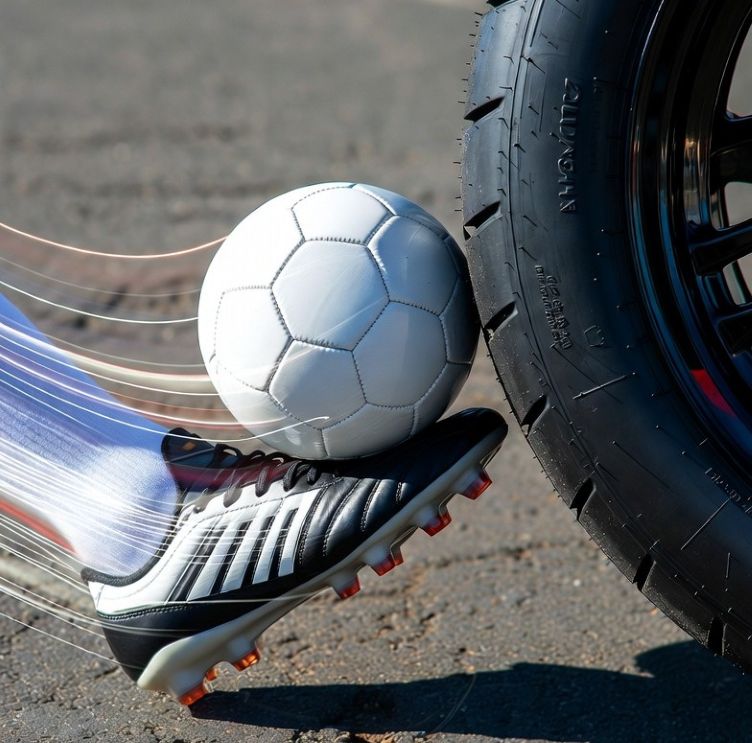
Live football works because it is unpredictable. A single pass from Kevin De Bruyne or a clinical finish from Mohamed Salah can change the outcome in seconds. The emotional spike is instant. Motorsport delivers a similar surge. A daring overtake in Formula 1 or a perfectly timed pit stop can reshape a race just as quickly.
Both experiences reward attention. Viewers lean forward. Hearts race. Every decision matters. That sense of urgency mirrors the psychology behind car culture. Driving enthusiasts admire precision engineering, fast reactions, and the skill required to control powerful machines. The spectacle is different, yet the emotional mechanics are the same.
Royal TV captures this tempo through EPL Broadcast streams that move at the speed of the game. There is no pause, no filter. For car fans, that mirrors the raw feel of live racing coverage, where tire wear, weather shifts, and driver choices create drama in real time.
Competition, Loyalty, and Identity
Football loyalty runs deep. Supporters wear club colors, defend their teams in debates, and travel miles for matchday. The rivalry between Manchester United and Liverpool is about history as much as points on a table. Motorsport communities share that same bond. Ferrari and Mercedes fans argue over engineering philosophy and driver legacy with equal passion.
Identity plays a major role. A club badge or a car emblem becomes a symbol of belonging. Porsche owners gather for weekend drives. Arsenal supporters meet in pubs across London and beyond. Community builds around shared admiration for excellence and performance.
Sports streaming platforms amplify that sense of connection. When thousands of fans tune in simultaneously, reacting on social media as a goal is scored or a red card is shown, the experience becomes collective. Automotive culture mirrors this through live race chats, car meet livestreams, and product launches that attract global audiences.
Spectacle and Storytelling
The Premier League thrives on storylines. A promoted club fighting to survive. A veteran manager chasing one more title. A young striker emerging as a star. These narratives keep fans invested across a long season.
Car culture relies on storytelling as well. Consider the rivalry between Ayrton Senna and Alain Prost in Formula 1 history. Their battles elevated races into legends. In the road car world, brands build narratives around innovation and heritage.
For perspectives on global driving culture, exploring driving and owning a car in Italy shows how local culture shapes automotive identity. The launch of a new electric performance model is framed as the next chapter in a company’s evolution.
Visual drama ties everything together. Floodlit stadiums, roaring crowds, and slow-motion replays create a cinematic feel in football broadcasts. Motorsport offers sweeping track shots, onboard cameras, and engine audio that vibrates through the screen. Both are carefully produced experiences designed to stir emotion.
From Matchday to Motor Day
Fans often move seamlessly between these passions. A Saturday might start with an EPL clash and end with highlights from a Grand Prix. The shift feels natural. Both events celebrate skill under pressure.
Automotive marketing has taken cues from live sports culture. Car brands sponsor football clubs and stadiums to tap into that built-in loyalty. Commercials feature athletes alongside high-performance vehicles, linking speed on the pitch with speed on the road. The message is simple. Precision and ambition define both worlds.
Streaming culture strengthens this crossover. Viewers who follow their clubs through Royal TV become comfortable consuming live, high-stakes content. That habit extends to watching race weekends, car reveals, and automotive influencer coverage. Real-time engagement becomes part of daily entertainment.
The Shared Emotional Engine
Underneath tactics, technology, and branding lies a basic human drive. People are drawn to competition. They admire mastery. They seek moments that break routine and spark adrenaline.
Football offers that through a perfectly executed counterattack. Motorsport delivers it through a fearless corner taken at full throttle. Both reward preparation and punish mistakes. Both create heroes and heartbreak.
Royal TV understands that emotion is the core product. The EPL Broadcast is more than a feed of moving images. It is a stage where loyalty, tension, and triumph unfold in real time. Automotive culture runs on the same fuel. Engines may power cars, yet passion powers the community.
High-octane cars and real-time sports streaming share a heartbeat. Each invites fans to feel speed, risk, and unity as events happen. By channeling the intensity of live football into a broader lifestyle of performance and precision, Royal TV shows that whether you are watching a derby or tracking a lap, the thrill comes from the same place. It is the love of the race, on grass or asphalt, that keeps audiences coming back.
